Nontoxic Cleaning Products
Ditch antibacterials in favor of good ol’ soap
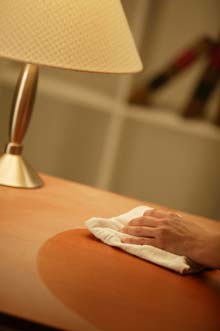
Everyone loves a clean house: windows you can see through, every last speck of dust banished to the trash can and surfaces you can eat off. But after you’ve splashed products containing such appetizing ingredients as ammonia, triclosan and chlorine bleach all over the place, would you really want to?
Even those with allergies - who know cleaning is an important tool in keeping sneezing and watery, itchy eyes at bay - can have their mission sabotaged if cleaning products create extra irritation. It makes you wonder who the harsh chemicals really help.
Antibacterial: The word itself seems to assure us we are being protected, but these products have come under fire from every angle. Scientists are finding that ingredients such as triclosan (often labeled as Microban on product packaging) could be contributing to antibiotic-resistant bacteria. Many experts say antibacterial products don’t do much for us anyway, as people rarely leave the products on surfaces for the two minutes required to kill bacteria, and besides, most infectious diseases are caused by viruses. Pediatric societies have called for parents to stop buying antibacterial products amidst fears they could adversely affect a baby’s immune system. And that’s not even the half of what’s been discovered about antibacterials.
Natural disinfectants can be found in plant-oil ingredients, such as eucalyptus and sage and surfactants can come in the form of palm or coconut oil. You’ll find people arguing the good and bad, often persuasively, of almost every ingredient, “natural” or not. Fragrance-free is the way to go, but if you must, naturally extracted and renewably harvested essential oils can leave you taking a fresher breath of air.
If you don’t need fancy packaging or brand names, products like vinegar, baking soda and soap are multi-purpose and allow you to make your own cleaning products. They work well when they’re used thoroughly and regularly. If you prefer prepackaged and ready to go, look for a brand that offers up its full ingredient list, like Ecover or Seventh Generation, and check each one out.
More of the chemical gang:
Chlorine bleach can irritate the eyes and lungs, and creates a deadly gas when mixed with ammonia.
Ammonia irritates the respiratory system when inhaled, is poisonous when swallowed and can cause burns to the skin.
Lye (sodium hydroxide, caustic soda) is corrosive and causes burns on contact, while Sulfuric acid can damage eyes, skin and lungs. Hydrochloric acid (this is starting to look like a pattern) can also cause burns.
D-Limonene - Used as a “natural” alternative because it’s derived from oranges, d-limonene has been found to react with high levels of indoor ozone and create formaldehyde, as well as a variety of related chemicals that have been linked to respiratory conditions. On its own, it may be irritating to skin, eyes or airways and although not conclusively proven, some suspect it may cause cancer.