Energy Audit
Discover where your home may be lacking energy efficiency
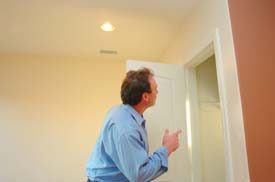
Audit yourself
You should know that most energy used in the home goes to appliances and lighting, then space heating, water heating and air conditioning. The most power-hungry appliance, your fridge, eats up almost 10 percent of energy consumed in the home. Now that you have a general idea of where to look, you can find ways to save. It’s good to start with those little cracks and holes throughout your home that can add up to an area the size of a window. Imagine how wasteful you’d feel leaving a window open all year round. Many people are doing just that without even knowing.
You’ll be checking for places where outside air can infiltrate the home, making sure you have adequate insulation and that equipment is properly maintained, and mapping out your energy usage patterns.
- Log it - If you want to know how much energy you use on average, you’ll have to check the meter and do the math. It sounds tedious, but if you can remember to do it once a week for a month, you can get a good idea of your usual energy use that time of year.
- Find leaks - Drafts can add up to 30 percent to your energy bill each year. Check around doors, windows, wall and ceiling corners, electrical outlets and switches, baseboards, pipes and wires. Often if an air leak is serious, you can feel the breeze with a wet hand or see daylight around the edges of doors. You may also be able to rattle windows and doors that aren’t sealed correctly. The U.S. Department of Energy (DOE) website recommends a simple pressurization test that can help you detect less obvious leaks.
If you need more direction, the DOE links to a site offering online energy-auditing services that provide money-saving estimates based on answers you provide. Another page details how you can check insulation and HVAC systems. After that, you need to come up with a plan of attack: what areas can you afford to fix, and what should be done first? It’s better to start with changes that put money back in your pocket sooner; some may save you enough to allow even more upgrades.
Hire a professional
Most utility companies will do a home energy audit, usually charging a small or no fee for customers. You can also hire a certified home energy rater. They’ll go over past utility bills (that you provide them with), examine every room of the home, and use specialized equipment such as an infrared camera, surface thermometer, blower doors and furnace efficiency meters.