Energy Efficient Insulation
Keep the heat in your home
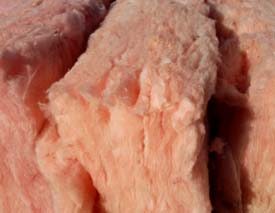
Reducing energy use can mean a lot of things, but the most important on our list, insulation, is one that makes other measures possible. No matter how efficient your heating and cooling system is, it won’t make a difference if your home’s walls can’t hold in the warmth. Heating and cooling can be responsible for up to 70 percent of a home’s energy use. That’s where insulation helps out in a big way.
Whether you want the best-rated insulation for a new home, or are looking to upgrade in an old home, energy-efficient insulation can come in many forms and vary in price widely. Adding insulation (including water heater insulation) can benefit homeowners in one of several ways:
- Lower utility bills - insulation often pays for itself in a few years; then it’s all savings.
- Higher resale value of an efficient home with low bills.
- Increased comfort due to uniform temperature throughout the home. It will be warmer in winter and cooler in summer.
- Increased durability of the home - condensation, which can decay materials, is prevented.
- An energy audit can show how much insulation you have and how much more you need, but there are some places where insulation is a priority:
- Attic, including the door or hatch cover
- Under floors above unheated spaces
- Around walls in heated basements
- Exterior walls
Best-rated insulation
R-value is a measure of how well insulation resists heat transfer, meaning how much heat is let out of or into the home. Generally a higher R-value means better insulation, but since the rating is determined in controlled conditions, it may be lower in real-life applications, especially if insulation is installed incorrectly (air pockets are present or it is compressed). Metal-frame houses can cut R-value in half, but even wood framing will lower the rating. When layers of insulation are used, the R-value of each is added together. The R-value you’ll need depends on where insulation is being installed in the home. A professional can give you exact recommendations.
According to the U.S. Department of Energy, you should consider factors such as your climate, building design and budget when selecting insulation. They recommend a handy zip code calculator that lets you enter information about where you live and what you’re insulating. It compiles weather and cost information by region and tells you what R-value will be most economical.
Insulation for your health
Of course, R-value has nothing to do with how health-friendly the insulation is. There are some insulation types that just aren’t up to green home standards. But that’s OK because there are also several healthy insulation alternatives that can provide comfort and leave you worry-free - as long as you balance out the efficiency measures with adequate ventilation.